Hello everyone, I'm Cathy. When I want a dinner that looks like effort but still lands on the table without drama, shrimp paella is one of the few dishes that earns its keep. You need a wide pan, short-grain rice, good stock, saffron if you have it, and shrimp that are big enough to stay juicy. My first attempt used a skinny sauté pan and a lot of stirring, which is how I made seafood rice soup instead of dinner. The fix was simple: stop fussing, spread the rice in a thin layer, and let the heat do the work.
Why this dinner works
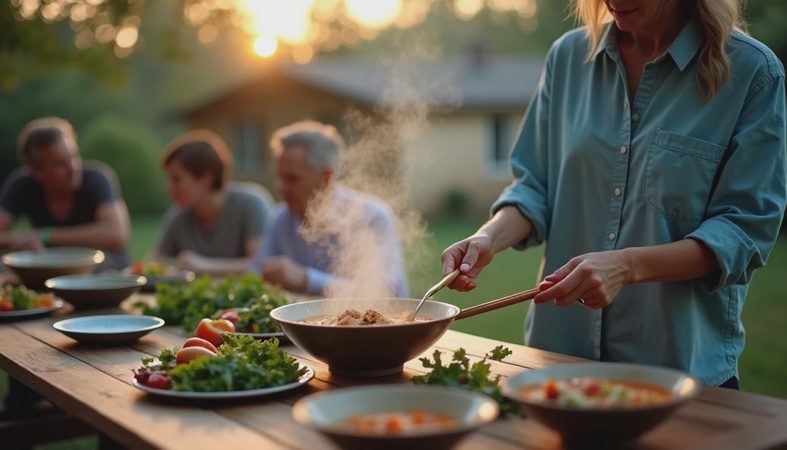
What I like about this style of dinner is that it behaves more like a skillet meal than a project. The rice soaks up flavor from onion, garlic, tomato, and paprika, and the shrimp finish on top so they do not turn dry before the rice is ready. That means you get one pan, a real dinner, and no pile of side dishes to wash after everyone has already wandered off. Shrimp paella also makes sense for families because it stretches well. A generous pan feeds six people if you add a salad and bread, and even a small second helping still feels like a win. If you have a picky kid at the table, this is the kind of dish that lets you serve the rice plain on one side and the shrimp on the other without making a whole speech about it.
The other reason I keep making it is timing. You do not need to stand at the stove babysitting every grain. Once the base is built and the stock goes in, the rice mostly cooks itself. That gives you enough time to set the table, slice lemons, or answer the question every parent hears at least twice a night.
What I buy
For shrimp paella, I keep the ingredient list practical. I buy medium or large raw shrimp, peeled and deveined, because they are easier to eat and less likely to overcook. I use short-grain rice if I can find it, especially bomba or Calasparra, because it holds its shape and takes in the broth without turning mushy. If the store is out, arborio works in a pinch, though it is a little creamier and less traditional. I buy a good chicken or seafood stock, a yellow onion, garlic, one tomato or a small can of crushed tomatoes, smoked paprika, saffron threads, olive oil, lemon, and frozen peas if I want a little color at the end.
Saffron is the expensive part, and yes, that annoys me too. But a small jar usually runs about $8 to $15 and lasts longer than people think if you store it well. I would rather use a little real saffron than pretend turmeric gives the same flavor, because it does not. For the shrimp, I plan on about 1 1/2 pounds for a family dinner, which sounds generous until you remember shrimp shrink and children act personally offended by anything they cannot eat immediately.

Pan, rice, and heat
The pan matters more than people want to admit. A proper paella pan is wide and shallow, but a 12- to 14-inch skillet will do if it gives the rice room to spread out. If you pile the rice too deep, the top layer steams while the bottom turns heavy. That is how dinner gets dull. You want a thin layer, enough surface area, and enough heat to coax a little crust on the bottom without burning the whole thing.
I start by softening the onion in olive oil, then adding garlic and tomato until it cooks down and looks almost jammy. That base should smell sweet, not raw. Then I stir in the rice just long enough to coat every grain in oil and toast it for a minute or two. This is one of those small steps that sounds fussy but pays off in texture. The rice keeps a little bite instead of collapsing into a soft pile. After that, I add the stock, saffron, and paprika, then I stop stirring. Really stop. Every extra stir encourages starch to cloud the pan and blur the texture you are trying to build.
The cooking order
This is the part that matters most in shrimp paella. Bring the pan to a steady simmer, then lower the heat and let the rice cook uncovered for about 18 to 20 minutes, depending on the brand and the width of your pan. I tuck the shrimp in during the last 5 to 7 minutes so they cook through without going chalky. If I am using peas, I scatter them on near the end so they stay bright. If the top looks dry but the rice is still firm, I add a small splash of hot stock around the edge of the pan, not all over the middle.
The best sign that you are on track is smell. The rice should smell savory and a little toasty, and the shrimp should look just pink and curled, not curled into tight little corkscrews. When the liquid is gone and the rice is tender, I pull the pan off the heat and let it sit for five minutes. That rest finishes the rice and keeps the bottom from tearing when you serve it. If you want a little crust underneath, leave it over low heat for the last minute or two. Do not walk away and answer email. The stove is less forgiving than your group text.
What goes wrong
Most mistakes are simple. People use too much liquid because they are afraid the rice will dry out, and then they wonder why the pan tastes flat. Others stir from habit and break the texture. Some cook the shrimp too early, which gives you rubber instead of seafood. I also see cooks use a pot that is too small, which traps steam and turns the whole dish soft. If your pan is crowded, you are not making dinner for six; you are making a very expensive mistake in a deep skillet.
Another common issue is seasoning. Stock varies a lot, so taste it before you pour. If it is already salty, hold back on extra salt until the end. I like a squeeze of lemon right before serving because it wakes up the rice without making it taste sharp. And if you cannot find saffron, make the dish anyway with good paprika and stock. It will still be better than skipping dinner because one ingredient was missing.
Serving and leftovers
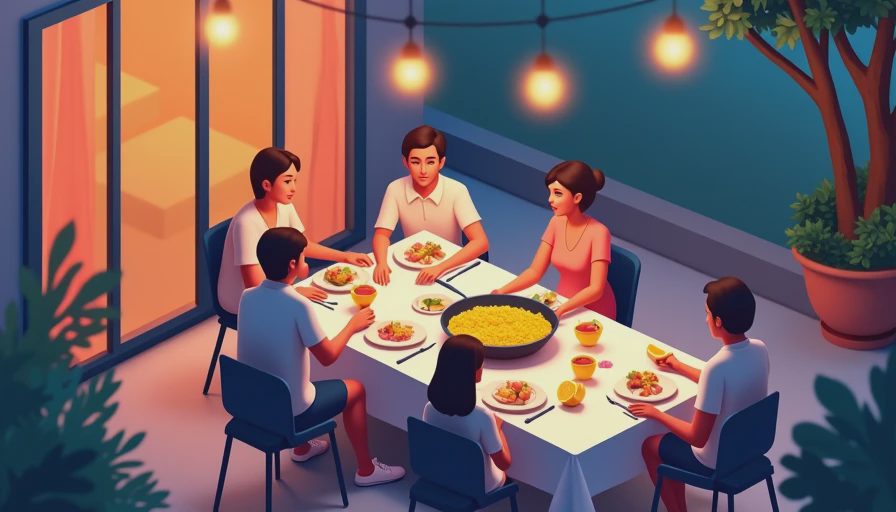
I usually put shrimp paella on the table with a simple green salad, sliced lemon, and maybe crusty bread if the kids are acting like they have never seen rice before. Aioli is nice if you have it, but I do not think dinner needs a whole condiment parade. The dish is rich enough on its own. For a weeknight, I like the fact that everything arrives in one pan and the table looks like I tried harder than I did.
Leftovers are fine, but I treat them gently. Shrimp paella reheats best in a skillet with a spoonful of stock or water over low heat. The microwave works if nobody is watching, but the shrimp can go tough fast. If I know I will have leftovers, I sometimes pull a portion of rice aside before adding the shrimp and reheat that part separately for lunch. Then I fold in fresh shrimp later, which is a small extra step that saves the texture.
If you want a dinner that feels like you planned ahead even when you did not, shrimp paella is a good one to keep in your back pocket. It is sturdy, flexible, and impressive in the same way a clean kitchen after six people have eaten is impressive. Kitchen tip: let the pan rest five minutes before serving, because hungry kids can wait longer than rice can.