Hello everyone, I'm Cathy. Roasted peppers and onions are the side dish I make when dinner needs color, flavor, and very little supervision. The oven does the work while I find someone's missing soccer cleat. These vegetables go with sausage, steak, chicken, burgers, pasta, eggs, and sandwiches, so they earn their place in my weekly rotation. The first time I made them, I crowded the pan and produced warm, floppy vegetables. My family ate them anyway, because children are generous when they are hungry. Spread them out, use enough heat, and you will get sweet centers with browned edges.
What You Need for the Best Pan
For six servings, use three large bell peppers, preferably a mix of red, yellow, and orange, plus two medium yellow onions. Green peppers work too, but they stay more savory and less sweet. Slice the peppers into strips about three-quarters of an inch wide. Cut the onions into wedges, then separate the layers slightly with your fingers. Thin slices disappear before the peppers are ready.
Toss everything with two tablespoons of olive oil, one teaspoon of kosher salt, half a teaspoon of black pepper, and one teaspoon of Italian seasoning. Add two minced garlic cloves if you like garlic, although I usually add them halfway through so they do not burn. A pinch of red pepper flakes gives the pan a little heat without turning it into a dare for the children.
I use a sturdy half-sheet pan, not a small casserole dish. The vegetables release water as they cook, and they need room for that moisture to evaporate. If the pieces are piled on top of each other, you are steaming them. Steamed peppers and onions have their place, but this recipe is supposed to have roasted edges.
How to Roast Peppers and Onions Without Soggy Edges
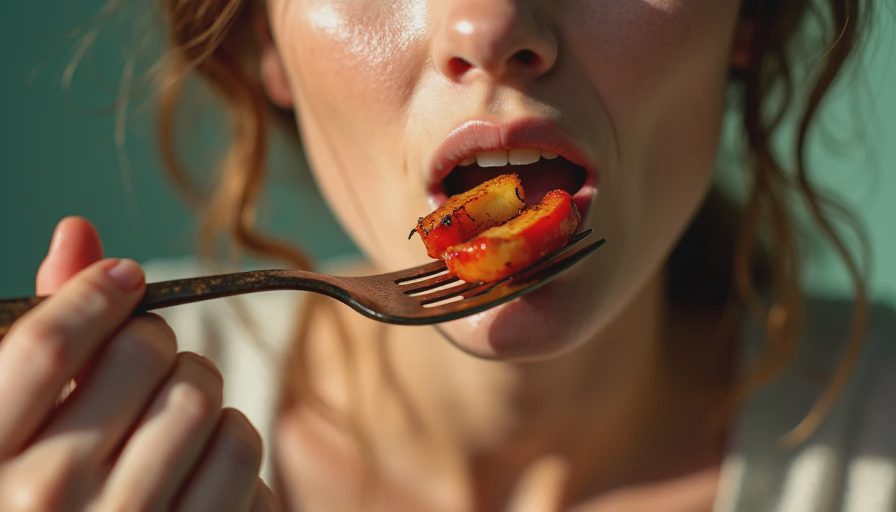
Heat the oven to 425 degrees Fahrenheit. Put the empty sheet pan in the oven while it preheats if you want especially fast browning. Carefully remove the hot pan, add the oiled vegetables, and spread them into one even layer. Leave a little space between pieces whenever possible.
Roast for 20 minutes, then use a spatula to turn the vegetables. Continue roasting for 12 to 18 minutes, depending on the size of your strips and how dark you like the edges. Add the garlic during the turn if you are using it. The onions should show brown spots, and the peppers should be tender but not collapsed. A few nearly black tips are good; an entire black pan means the oven rack was too high or the slices were too thin.
Do not cover the pan. Do not add water. Do not keep opening the oven door to check every five minutes, even though I understand the impulse. One quick turn is enough. The vegetables will shrink by roughly one-third, which is why three peppers look excessive at the start and merely adequate at the table.
Seasoning Ideas for Roasted Peppers and Onions
The basic seasoning is flexible. For fajitas, replace the Italian seasoning with one teaspoon of chili powder, half a teaspoon of ground cumin, and a squeeze of lime after roasting. Serve this version with warm tortillas, shredded cheese, and leftover chicken. For an Italian-style plate, keep the herbs and finish the roasted peppers and onions with a tablespoon of grated Parmesan and a little chopped parsley.
For a sausage dinner, add a teaspoon of fennel seed and serve the vegetables beside chicken or turkey sausage. For breakfast, use a pinch of smoked paprika and spoon the vegetables over scrambled eggs. They are also excellent with white beans, rice, or a baked potato. I keep seasoning moderate at the beginning because salty sausage, feta, Parmesan, and bottled sauces can finish the dish later.
If your children dislike visible herbs, skip the Italian seasoning and use only salt, pepper, and garlic. My six-year-old has inspected parsley with the seriousness of a customs officer. He will eat the peppers when they are tucked into a quesadilla, but he wants no evidence of green leaves.
Easy Meals Built Around the Pan
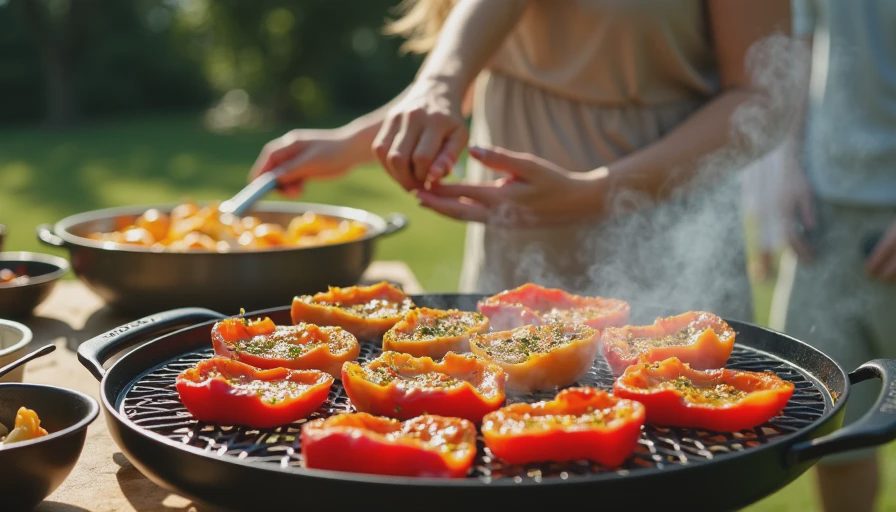
Roasted peppers and onions can turn a plain protein into a complete dinner. Put them over grilled chicken with rice and a spoonful of plain Greek yogurt. Toss them with penne, a splash of pasta water, and shredded mozzarella for a meatless meal. Fold them into a toasted hoagie roll with sliced provolone and warm deli turkey. For a fast steak dinner, serve them beside a strip steak and a simple salad instead of making another complicated side.
A large batch also helps with lunch. Cool the vegetables, then refrigerate them in a covered container for up to four days. Reheat them in a skillet over medium heat, or eat them cold in a grain bowl. I do not freeze them unless they are going into soup, because the texture becomes softer after thawing. They still taste good, but nobody needs a limp pepper pretending to be fresh.
When I have an extra ten minutes, I make a double batch. The first pan goes to dinner, and the second becomes sandwich filling, omelet material, or a topping for hummus and toast. This is practical cooking, not meal-prep theater. A sheet pan and one storage container are enough.
Buying and Prepping the Vegetables
Choose peppers that feel heavy for their size, with firm skin and no sunken soft spots. The color does not need to be perfect; a small wrinkle is fine if you are cooking them the same day. Onions should be firm and dry, without a strong smell before cutting. Organic peppers and onions are useful choices when the price difference is reasonable, but I do not let a label stop dinner. Washing produce under cool running water and drying it well matters more to this recipe than buying decorative vegetables.
Prep the peppers by cutting off the top and bottom, removing the seeds, and slicing from top to bottom. For the onions, trim the ends, peel them, and cut through the root. Remove the root after making wedges so the layers stay together longer. Dry vegetables roast better because excess water slows browning. I wash everything first, then dry it with a clean kitchen towel while the oven heats.
Common Problems and Quick Fixes
If the vegetables are pale after 30 minutes, the pan is probably crowded. Move half to another pan and roast both on separate oven racks, rotating the pans halfway through. If the onions burn before the peppers soften, cut the onions into larger wedges next time. If everything turns watery, reduce the oil slightly and avoid adding salt hours ahead; salt pulls moisture toward the surface before cooking.
For extra caramelization, roast five minutes longer, but stay nearby near the end. The difference between browned edges and bitter edges is not a philosophy. It is about four minutes in my oven. Taste before serving and add salt, lemon juice, or a drizzle of balsamic vinegar as needed. A tablespoon of chopped fresh basil can make leftovers feel intentional.
Roasted peppers and onions are not a glamorous recipe, and that is exactly why I trust them. They are inexpensive, adaptable, and useful when the refrigerator contains three unrelated ingredients and everyone's stomach is making complaints. Make the pan once, then use the leftovers to rescue tomorrow's lunch.
Kitchen tip: Put the sheet pan in the dishwasher before the kids remember they were the ones who asked for dinner.