Hello everyone, I'm Cathy. Braised pork chops are the kind of dinner I make when I want something that tastes like I stood over the stove all afternoon, even though I mostly used one pan and a timer. The trick is simple: sear the chops until they have color, then let them finish in a little broth, onion, and garlic so the meat stays tender and the pan turns into sauce. If you buy thick chops and stop cooking them the second they hit temperature, this is a family meal, not a dry disaster.
Why braised pork chops stay juicy
Braising works because it gives you both flavor and protection. The skillet browns the outside, which is where the good stuff starts, and the covered oven or low simmer keeps the meat from drying out while the inside finishes gently. I like bone-in center-cut chops that are about 1 to 1.5 inches thick. Thin chops can work, but they punish you for looking away for thirty seconds. Bone-in meat also gives the sauce a deeper flavor, and that matters when you are feeding six people and one of them suddenly decides onions are offensive.
What to buy at the store
For this dinner, I keep the shopping list plain. Pork chops, yellow onions, garlic, low-sodium chicken broth, Dijon mustard, apple cider or dry white wine, butter, olive oil, flour or cornstarch, salt, black pepper, and something green on the side. If I have fresh thyme or a bay leaf, I use it. If not, nobody is harmed. I usually buy pork from a regular butcher counter or a grocery store case where the chops are thick and evenly cut. A good package should feel substantial; if the chops look pale and floppy, I pass. I also read labels the way some people read novels. The shorter the ingredient list, the better my mood.
When I first made this, I used a nonstick pan because I was being lazy. Bad move. You want a heavy skillet or Dutch oven that can go from stovetop to oven, because the browned bits on the bottom are what make the sauce taste like dinner instead of hot water. A Le Creuset, Staub, or even a basic Lodge Dutch oven will do the job. I am not precious about the brand; I am precious about the crust.

How I cook braised pork chops in one pan
Start by patting the chops dry and seasoning both sides with salt and pepper. If I have time, I let them sit while the oven heats to 325 degrees. That little pause helps the surface dry out so the sear is better. Heat oil in the pan over medium-high, then brown the chops for about three minutes per side. Do not crowd them. If the pan is too full, they steam and you lose the whole point.
Take the chops out, lower the heat, and add sliced onions with a pinch of salt. Let them soften until they turn sweet and a little gold around the edges, then add garlic for about thirty seconds. Stir in a spoonful of flour if you want the sauce to thicken later, then pour in broth and a splash of cider or wine to loosen the browned bits. A teaspoon of Dijon gives the sauce a little backbone without making it taste like mustard. Put the chops back in, cover the pan, and move it to the oven for 25 to 35 minutes, depending on thickness. I pull them when the center reaches 145 degrees and let them rest for five minutes.
The gravy and sides my family eats
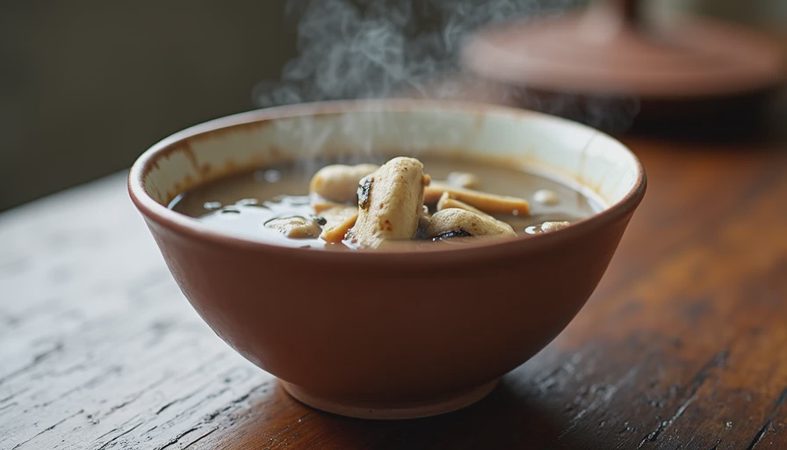
The sauce is the whole reason this works on a weeknight. While the chops rest, I keep the pan on low and whisk the liquid for a minute or two until it looks glossy. If it is too thin, I stir a teaspoon of cornstarch into cold water and add it slowly. If it is too salty, I fix it with a little more broth. If it tastes flat, I add a splash of cider vinegar or a small knob of butter. That is usually enough. Braised pork chops do not need drama; they need balance.
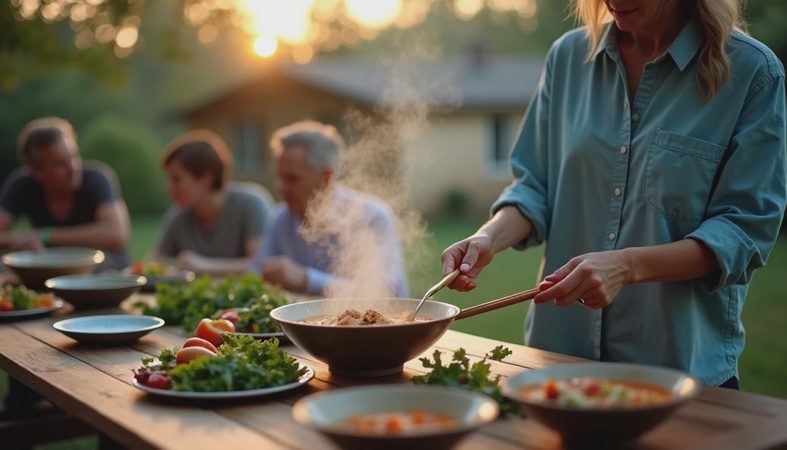
For sides, I go where the sauce wants to go. Mashed potatoes are the obvious choice, but buttered egg noodles, white rice, roasted carrots, or green beans all work. My kids act like they are above vegetables until gravy enters the chat. Then suddenly they are eating their beans and asking for extra sauce. I call that progress.
Small swaps when the fridge is not perfect
If I do not have apple cider, I use broth and a tiny splash of vinegar. If I want a deeper, cozier flavor, I add sliced mushrooms with the onions and let them give up their liquid before the broth goes in. A few thin apple slices also work well and keep the pan from feeling heavy. When I want a darker sauce, I add a teaspoon of soy sauce or Worcestershire, not enough to shout, just enough to make the flavors taste like they have been talking to each other for a while. This is the part of cooking that saves Tuesday nights: you can work with what you have and still get dinner on the table without a second grocery run.
Leftovers, mistakes, and one better way to reheat
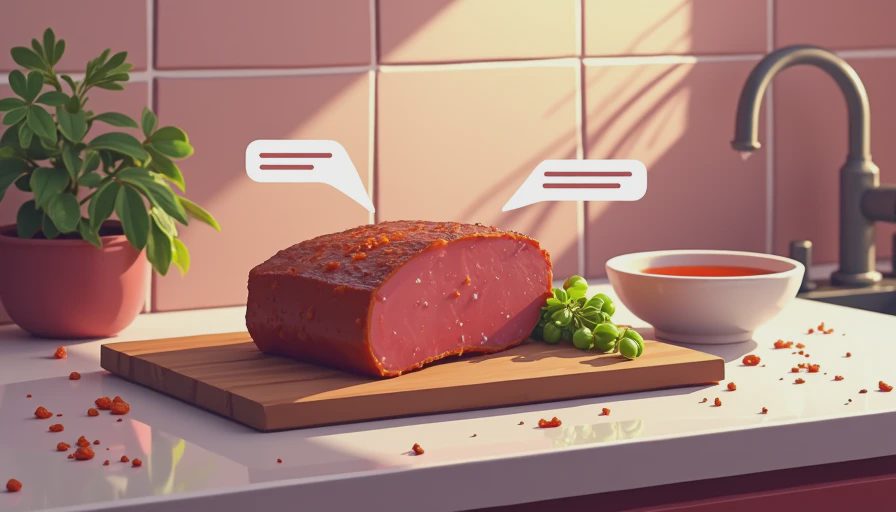
If you have leftovers, store them with some sauce in the fridge for up to three days. Reheat gently in a covered skillet over low heat with a splash of broth, or in a 300-degree oven until warm. The microwave works in a pinch, but it is not where the texture shines. These also freeze well for about two months if you tuck them into a freezer bag with the sauce flattened around the meat.
The mistake I see most often is trying to cook everything too fast. High heat is good for the sear, not for the finish. Another mistake is using super-thin chops and expecting them to behave like thicker ones. They do not. If you only have thin chops, cut the braise time way down and check early. Better yet, buy the thick cut once and save yourself the apology dinner.
If you need a Tuesday-night formula
When I want a dinner I can repeat without thinking, braised pork chops go into the rotation right after roast chicken and pasta with butter and cheese. The ingredient list is short, the pan stays manageable, and the sauce makes cheap vegetables look smarter than they are. That is the kind of cooking I trust on a school night: clear steps, no mystery, and enough flavor that nobody asks where the takeout menu is. If your family likes comfort food with a little structure, braised pork chops are the kind of recipe that earns its spot.
Kitchen tip: always let the chops rest before slicing, because impatient pork is how I learned to make very expensive shoe leather.