Hello everyone, I'm Cathy. Eggs and sour cream are the answer when breakfast needs to happen before school, work, and somebody's missing left shoe. The sour cream makes the eggs soft and rich without turning them watery, and the whole pan takes about ten minutes. I first made this with a tub of sour cream that had been hiding behind three jars of pickles. The eggs were good. Finding the sour cream was the real victory.
This recipe serves six as part of a larger breakfast or four hungry people with toast and fruit. Use a nonstick skillet, a flexible spatula, and low heat. High heat is how breakfast becomes yellow rubber with a side of regret.
Why Eggs and Sour Cream Work So Well
Eggs and sour cream pair beautifully because the dairy adds fat and a gentle tang while slowing the cooking process. You get curds that stay tender instead of setting all at once. Sour cream also gives plain eggs enough flavor to stand beside toast, roasted potatoes, or leftover rice without requiring a complicated sauce.
Use full-fat sour cream for the smoothest result. Reduced-fat versions can work, but they often contain more stabilizers and less richness. I buy organic eggs when the price difference is reasonable, especially for a recipe where eggs are the main ingredient. I do not panic if the regular carton is what fits the grocery budget. Dinner and breakfast both need to survive real life.
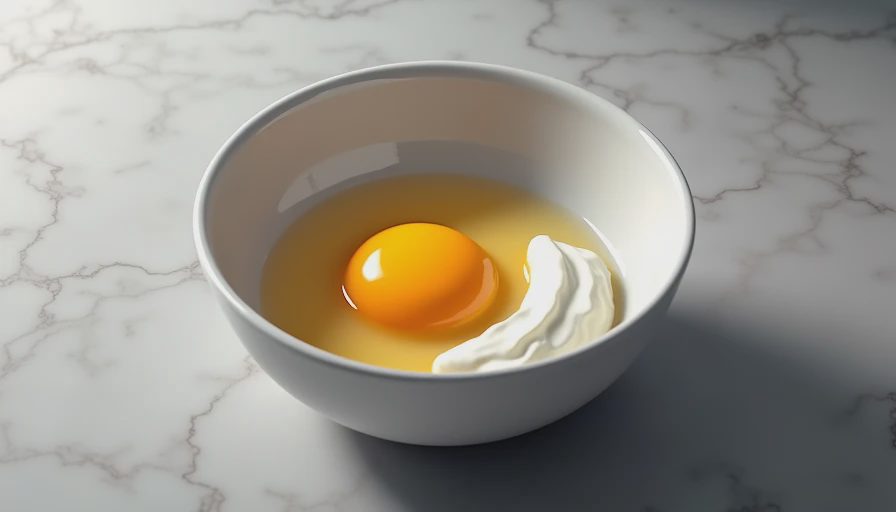
For six servings, crack twelve large eggs into a bowl. Add three-quarters of a cup of sour cream, one teaspoon of kosher salt, half a teaspoon of black pepper, and two tablespoons of chopped green onions. Whisk until the mixture is mostly smooth, with a few small streaks of sour cream remaining. Do not beat it like cake batter; a little texture is fine.
The Exact Skillet Method
Place a 10-inch nonstick skillet over medium-low heat and add one tablespoon of unsalted butter. When the butter melts and looks foamy, pour in the egg mixture. Wait about fifteen seconds, then use a silicone spatula to pull the set edges toward the center. Continue folding slowly every ten to fifteen seconds.
The important detail with eggs and sour cream is patience. The pan should never hiss aggressively. If the eggs are cooking faster than you can fold them, lower the heat or briefly lift the skillet from the burner. Cook for four to six minutes, stopping when the eggs look softly set but still glossy. They will continue cooking from the hot pan.
Remove the skillet from the stove before the eggs look completely dry. Stir in one tablespoon of chopped parsley or cilantro if you like, then taste for salt. Serve immediately. If you leave the eggs sitting in the skillet while everyone searches for socks, they will firm up. Transfer them to a warm serving bowl instead.
Simple Add-Ins for a Bigger Breakfast
Eggs and sour cream are an excellent base for whatever needs using in the refrigerator. Add one cup of shredded cheddar during the final minute for a familiar, melty version. Monterey Jack makes the texture softer, while feta brings a salty bite. Do not add cheese at the beginning; it can stick to the pan and make the curds heavy.
For vegetables, sauté chopped mushrooms, bell pepper, spinach, or zucchini in the butter before adding the eggs. Cook vegetables until their moisture has evaporated, especially mushrooms and spinach. Wet vegetables are the fastest way to make a breakfast that looks like soup. Leftover roasted broccoli or corn can go directly into the skillet after reheating.
Cooked bacon, diced ham, breakfast sausage, or shredded chicken can turn this into a complete lunch. Use about one cup of cooked meat for six servings. I have also added a small handful of frozen peas when the children were complaining that the eggs needed color. They complained about the peas too, but at least the plate looked cheerful.

What to Serve With the Eggs
For a weekday breakfast, serve eggs and sour cream with whole-grain toast, sliced oranges, and coffee for the adults. On a slower Saturday, add crisp potatoes, avocado, and fresh berries. The creamy eggs need something with texture, so do not serve them with only soft foods unless your family enjoys eating beige pudding.
Warm flour tortillas make a useful alternative to toast. Spoon the eggs into tortillas with salsa and shredded cheese for quick breakfast tacos. You can also put the eggs over steamed rice with scallions and a drizzle of chili oil. Keep chili oil off the children’s portions if they are still at the stage where black pepper feels adventurous.
For a holiday brunch, place the skillet beside toasted English muffins and a bowl of chopped tomatoes. Guests can build their own plates, which means you do not need to cook individual orders. That is how I protect my Saturday morning from becoming a short-order restaurant shift.
Make-Ahead, Storage, and Reheating
This dish is best fresh, but leftovers can be refrigerated in a sealed container for up to three days. Cool the eggs within two hours, then refrigerate them promptly. To reheat, place one serving in a bowl and microwave at 50 percent power for twenty to thirty seconds. Stir, then continue in fifteen-second intervals until warm.
Eggs and sour cream can lose their soft texture if reheated too aggressively. A teaspoon of water or milk stirred into each portion helps loosen the curds, but do not add more sour cream after cooking unless you want a cold streak through the eggs. For meal prep, slightly undercook the eggs the first time and reheat them gently the next morning.
I would not freeze this recipe. The flavor remains acceptable, but the sour cream and egg mixture can become spongy after thawing. Make a half batch instead. Twelve eggs sound practical until you are staring at a container of leftovers on Thursday.
Troubleshooting Common Problems
If the eggs are watery, the heat was probably too low for too long, or vegetables released liquid into the pan. Keep cooking gently until excess moisture evaporates. If the eggs are rubbery, the heat was too high or they stayed in the skillet after cooking. Remove them earlier next time.
If the sour cream stays in white lumps, the eggs were not whisked enough before cooking. Small streaks are harmless and can be pleasant, but large chilled clumps will not blend smoothly. Let the sour cream sit at room temperature for ten minutes before mixing if your kitchen is cold.
If the flavor seems flat, add salt before adding more toppings. A little grated Parmesan, hot sauce, smoked paprika, or chopped herbs can finish the dish. Keep the seasoning simple at first because cheese, bacon, salsa, and sausage all bring their own salt.
My Weeknight Formula
For every four large eggs, use one-quarter cup of sour cream, a pinch of salt, a few grinds of pepper, and one tablespoon of butter for the pan. That ratio is easy to remember and scales without turning the recipe into a math exam. Cook low, fold slowly, and pull the skillet before the eggs look fully done.
Eggs and sour cream are not fancy, and that is exactly why this recipe earns a place in my kitchen. It uses affordable staples, feeds a group, and leaves room for leftovers, vegetables, or whatever cheese is waiting in the drawer. Start with the basic version once, then make it your own. My kitchen tip: put the spatula in the sink before serving, because somebody will ask for seconds while it is still covered in egg.