Hello everyone, I'm Cathy. These cookies pecan caramel are for the afternoons when everyone is hungry and nobody wants fruit. The dough is buttery, the pecans are toasted, and the caramel stays soft instead of turning into a tooth-breaking candy. I tested this recipe after grabbing the wrong pan the first time and watching half the caramel escape onto the oven floor. The floor was clean afterward, so at least something improved.
This recipe makes about 24 cookies, which is enough for a family of six with a few left for tomorrow’s coffee. Use a stand mixer or a sturdy hand mixer, a light-colored baking sheet, and parchment paper. Dark pans brown the bottoms too quickly, especially if your oven runs hot.
Ingredients for cookies pecan caramel
You need 1 cup unsalted butter, softened but not melted; 1 cup packed light brown sugar; one-half cup granulated sugar; two large eggs; 2 teaspoons vanilla extract; 2 and one-quarter cups all-purpose flour; 1 teaspoon baking soda; one-half teaspoon baking powder; three-quarters teaspoon kosher salt; 1 and one-quarter cups chopped pecans; and 24 soft caramel candies, each cut in half.
For the best flavor, choose pecans that smell sweet and fresh. If they smell like old oil, they are old. I buy plain pecan halves and chop them myself because the small pieces in a bag are often a mixture of dust and large chunks. For the caramel, individually wrapped soft candies work better than hard caramel squares. A soft caramel melts into a pocket; a hard one becomes a dangerous little roof tile.
If you like a slightly deeper flavor, replace two tablespoons of the all-purpose flour with whole wheat flour. Do not replace more than that or the cookies become heavy. Organic flour, butter, and eggs are useful choices if the price fits your grocery budget, but good technique matters more than a label here.
How to make cookies pecan caramel
First, toast the pecans. Heat the oven to 350 degrees Fahrenheit. Spread the chopped nuts on a baking sheet and toast for 6 to 8 minutes, stirring once. Pull them out when they smell nutty and look a shade darker. Let them cool for at least 10 minutes. Warm pecans can soften the dough too much.
In a medium bowl, whisk together the flour, baking soda, baking powder, and salt. In a large bowl, beat the softened butter, brown sugar, and granulated sugar on medium speed for about 2 minutes. The mixture should look creamy and slightly lighter, not soupy. Add the eggs one at a time, mixing well after each addition, then beat in the vanilla.
Add the dry ingredients in two additions. Mix on low just until no dry streaks remain. Stir in the cooled pecans with a wooden spoon or spatula. Overmixing develops gluten and gives you cakey, tough cookies instead of soft ones. The dough should be thick enough to scoop without spreading across the bowl.
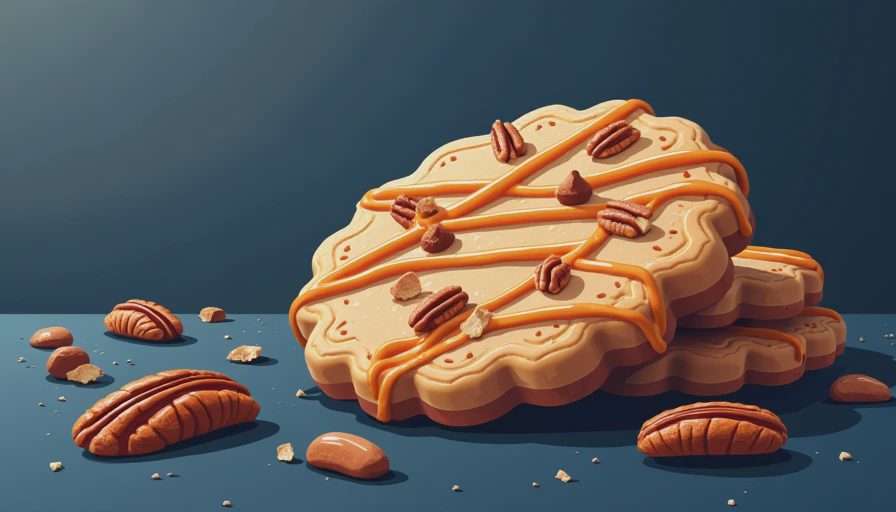
Cover the bowl and chill the dough for 30 minutes. This step is not decoration. Chilling lets the butter firm up, so the cookies hold their shape while the caramel melts. While the dough chills, line two baking sheets with parchment and unwrap the caramel candies.
Scoop about 2 tablespoons of dough for each cookie. Flatten the dough in your palm, place half a caramel in the center, and close the dough around it completely. Roll it into a ball and set it on the baking sheet with at least 2 inches between portions. Any exposed caramel will leak, and leaked caramel becomes cement after it cools.
Bake one sheet at a time for 11 to 13 minutes. The edges should be lightly golden, while the centers still look a little soft. Do not wait for the centers to look fully baked. They finish cooking on the hot pan. Let the cookies cool on the baking sheet for 8 minutes, then move them to a wire rack.
Why these cookies stay soft
The brown sugar supplies moisture and a mild molasses flavor, while the granulated sugar helps the edges spread and crisp. The short chill prevents excess spreading, and the caramel adds another soft layer in the middle. This balance is why cookies pecan caramel should not be baked until deeply brown. By then, the centers are usually dry and the caramel has lost its pleasant chew.
If your first batch spreads too much, chill the remaining dough for another 20 minutes. If the cookies stay round and thick, press the next dough balls down slightly before baking. Oven temperature is also important. An inexpensive oven thermometer can reveal a 25-degree difference, which is enough to change the result.
The first time I made cookies pecan caramel, I used a warm baking sheet from the previous batch. The butter started melting before the dough reached the oven, and the cookies spread like little pancakes. Let the sheet cool completely between batches, or keep two sheets in rotation.
Easy variations and serving ideas
For chocolate cookies pecan caramel, replace one-quarter cup of flour with unsweetened cocoa powder and add one tablespoon of milk to the dough. The cocoa absorbs moisture, so that extra milk keeps the texture tender. For a saltier version, sprinkle a tiny pinch of flaky sea salt over each cookie as soon as it comes out of the oven.
You can also use walnuts, but pecans give a sweeter, more buttery flavor. Mini chocolate chips are fine in a small amount, around one-half cup, although they make the cookies richer quickly. I would not add raisins. Four children have opinions, and raisins in a caramel cookie is where family peace ends.
Serve the cookies warm with coffee, cold milk, or vanilla ice cream. For a party, bake them slightly smaller and use one-quarter of a caramel in each center. That makes about 36 cookies and keeps the portions manageable when people are already standing near the dessert plate.
Storage, freezing, and troubleshooting
Store cooled cookies pecan caramel in an airtight container at room temperature for up to 4 days. Place parchment between layers so the caramel does not glue the cookies together. To soften one, microwave it for 8 to 10 seconds. Watch the filling carefully because hot caramel can burn your mouth even when the cookie feels only warm.
To freeze the dough, shape and fill the cookies first, then arrange the dough balls on a parchment-lined tray. Freeze until firm, transfer them to a freezer bag, and label the bag with the baking temperature and time. Bake from frozen at 350 degrees for about 14 to 16 minutes. The centers will stay especially thick.
Baked cookies can also be frozen for about 2 months. Cool them completely before packing, and thaw them at room temperature. If the caramel seems firm after thawing, a brief warm-up restores the soft center. For cookies pecan caramel that look bakery-worthy, reserve a few chopped pecans and press them onto the tops before baking.
If the caramel leaks, the dough was probably not sealed around the candy or the candy was placed too close to the surface. If the cookies are greasy, the butter was too warm or the dough needed more chilling. If they are dry, they baked too long. Pull the next tray when the middle still looks underdone. That is the part that works.
Make cookies pecan caramel when you need a dependable dessert, not a weekend engineering project. The ingredients are ordinary, the method is forgiving, and the warm caramel gives the family a reason to appear in the kitchen without being called.
Kitchen tip: Put the cooling rack somewhere unreachable, because children can smell caramel through a closed door.