Hello everyone, I'm Cathy. Gluten free pop tarts are one of those breakfast ideas that sound simple until you stand in the grocery aisle reading twelve ingredient panels while a child asks for a snack. Some families avoid gluten because of celiac disease, some because of a diagnosed sensitivity, and some simply want another quick breakfast option. Whatever your reason, the important details are the label, the texture, and whether your children will actually eat the thing.
I have four children, which means breakfast needs to survive a school morning, a missing shoe, and somebody suddenly announcing that the blue bowl is dirty. The best gluten free pop tarts are crisp at the edges, soft in the middle, and sweet enough without tasting like a chemistry experiment. They should also fit your household's safety needs. If someone has celiac disease, look for a certified gluten-free seal and prevent cross-contact with shared toasters, knives, and butter.
What to Check Before Buying
Start with the front of the package, but do not stop there. In the United States, a product labeled gluten-free must meet the FDA limit of less than 20 parts per million of gluten. That label is useful, but families managing celiac disease often prefer products with third-party certification because certification adds another layer of testing and production oversight.
Read the allergen statement and the manufacturing note. Wheat is the obvious ingredient to watch, but oats can also require attention because they are frequently processed near wheat. A package might say gluten-free while still containing milk, soy, eggs, or nuts. That is not a problem unless your family needs to avoid those ingredients too, but it is a problem when everyone is already late and you discover it after opening the box.
Texture matters just as much as the label. Some gluten free pop tarts use rice flour, corn starch, tapioca starch, or a blend of several starches. These ingredients can produce a lighter pastry, but they can also make the crust fragile or sandy. Check the package date and store unopened boxes in a cool, dry cupboard. Stale pastry is disappointing at any price.

Store-Bought Options Worth Trying
Nature's Path is one recognizable brand to investigate for gluten-free toaster pastries, with flavors such as frosted strawberry appearing in some grocery stores and online retailers. Availability and formulas can change, so examine the current package rather than relying on an old shopping list. Their pastries are often a little more substantial than the thin, very sweet style some children expect.
Kinnikinnick is another brand familiar to many gluten-free households. Its products have a reputation for focusing on dedicated gluten-free manufacturing, which can be helpful for shoppers who are careful about cross-contact. The flavor selection may be narrower depending on your store, and the pastry can have a different bite from conventional toaster pastries. Different is not automatically bad; it just means the first test should happen before the school bus arrives.
You may also find smaller brands at natural-food stores, regional supermarkets, or online. Prices commonly land around $5 to $9 per box, depending on package size and specialty ingredients. Compare the number of pastries, not only the shelf price. A box with six pastries at $7 costs more per serving than a box with eight at the same price. I keep one reliable box for emergency mornings and do not pretend it is a bargain food.
Gluten free pop tarts often have less structural strength than standard toaster pastries. Toast them on a medium setting, watch the first batch, and let them cool for a minute before moving them. A very high setting can burn the edges while leaving the center cool. My first attempt involved a distracted child, a setting of six, and one pastry that became a small fruit-flavored brick.
How to Serve Them to a Real Family
A toaster pastry by itself is not a very filling breakfast for most children or adults. Pair it with something easy: Greek yogurt, a hard-boiled egg, peanut butter on apple slices, or a banana. For a family of six, I put the pastries on a plate with two bowls of fruit and let everyone choose one addition. This takes less than five minutes and prevents the familiar 9:15 a.m. complaint that breakfast was “only sugar.”
For younger children, cut the pastry into strips after it cools. The filling can be hot even when the outside feels manageable, and the icing gets sticky quickly. Keep a damp cloth nearby unless you enjoy finding strawberry fingerprints on cabinet doors. For older kids, pack an untoasted pastry only if the package says it is safe to eat that way and the texture is pleasant at room temperature.
If you are serving gluten free pop tarts to someone with celiac disease, make the entire setup gluten-free. Do not use a shared toaster that also handles wheat bread. A dedicated toaster, toaster bag, or oven sheet pan can reduce cross-contact. Use a clean plate and knife, and keep crumbs from regular bread away from the butter dish.
A Simple Homemade Version
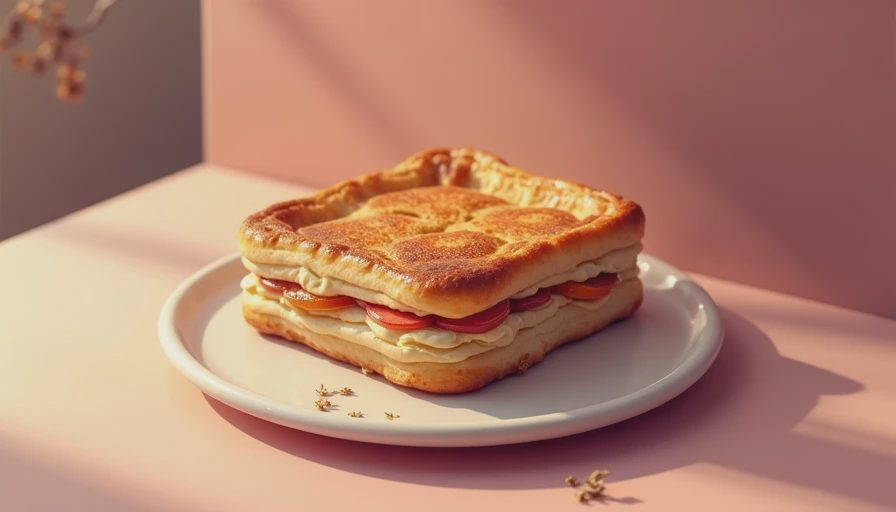
When store-bought gluten free pop tarts are too expensive or unavailable, make a shortcut version with gluten-free bread, fruit spread, and a quick icing. Use sturdy sandwich bread, trim the crusts, and roll each slice thinner with a clean glass or rolling pin. Place one teaspoon of thick strawberry or blueberry preserves in the center, leaving a wide border. Fold another slice over it and press the edges firmly with a fork.
Brush the outside lightly with melted butter and bake on a parchment-lined sheet at 375 degrees Fahrenheit for 10 to 12 minutes, turning once. The goal is golden edges, not dark brown bread. For icing, mix half a cup of powdered sugar with one teaspoon of milk, adding drops until it becomes spreadable. Let the toast cool completely before icing, or you will create a sweet puddle that slides onto the counter.
This homemade method is not identical to packaged gluten free pop tarts. It is softer, less uniform, and much faster than making pastry dough from scratch. It also lets you control the filling and use a jam your family already likes. I use raspberry preserves for the adults and strawberry for the children because apparently one berry cannot satisfy six opinions.
How to Choose the Best Box
Buy one box before buying a case. Look for a flavor your family already enjoys, a clear gluten-free label, and a package size that will be eaten before the pastries dry out. Check sugar, fiber, and protein if those numbers matter to your household, but do not turn breakfast into a courtroom hearing. A practical meal can include a sweet item and still be balanced by fruit, dairy, or protein.
Pay attention to the packaging after opening. If the inner wrapper is difficult for a child to reseal, move the remaining pastries into an airtight container while keeping the original label nearby. Write the opening date on the container. This prevents the box from hiding behind cereal for three months, which is how pantry science experiments begin.
Gluten free pop tarts are best treated as a convenience food, not a personality test. Choose a product that meets your safety requirements, toast it carefully, and serve it with one simple side. When the morning is already loud, nobody needs a heroic breakfast. They need food that works.
Kitchen tip: keep a dedicated gluten-free toaster labeled with painter's tape, because children will forget which appliance is which before they forget their homework.