Hello everyone, I'm Cathy. Oven roasted peppers and onions are the side dish I make when dinner needs color, flavor, and almost no supervision. Slice everything, toss it with olive oil, and let the oven do the work while you find the missing homework folder. This recipe makes enough for six people and works with chicken, steak, sausage, burgers, eggs, or a bowl of rice.
Ingredients and the Right Pan
You need three large bell peppers, preferably red, yellow, and orange for different levels of sweetness; two large yellow onions; three tablespoons olive oil; one teaspoon kosher salt; half a teaspoon black pepper; one teaspoon Italian seasoning; and two minced garlic cloves. Add a pinch of red pepper flakes if your family enjoys heat. My children do not, so I add flakes to my portion after roasting and call it diplomacy.
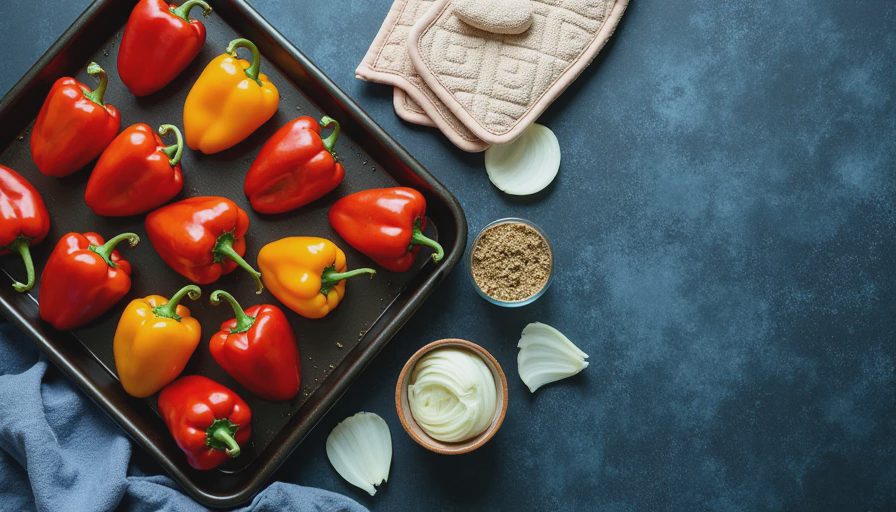
Use a large, rimmed half-sheet pan, roughly 13 by 18 inches. The vegetables should sit in one fairly loose layer. If they are piled into a small casserole dish, they steam instead of browning. I learned this while trying to roast enough vegetables for a birthday dinner in the wrong pan. The result was soft, watery peppers and onions that looked like they had given up.
Choose peppers with firm skin and no sunken spots. Organic is useful when the price is reasonable, but this is not the recipe where I lecture you from a soapbox. Fresh, properly stored produce matters more than a fancy label here. Yellow onions are dependable, while sweet onions give a milder result.
How to Make Oven Roasted Peppers and Onions
Heat the oven to 425 degrees Fahrenheit. Line the sheet pan with parchment if you want easier cleanup, although bare metal gives the vegetables slightly better browning. Cut the peppers in half, remove the stems and seeds, and slice them into strips about three-quarters of an inch wide. Peel the onions, cut them in half through the root, and slice them into similar-width wedges.
Put the peppers and onions on the pan. Drizzle with olive oil, then sprinkle on the salt, pepper, Italian seasoning, and garlic. Toss with clean hands or two large spoons until every piece has a light coating. Spread the vegetables out immediately. Do not leave a mound in the center; that is where the steam gathers.
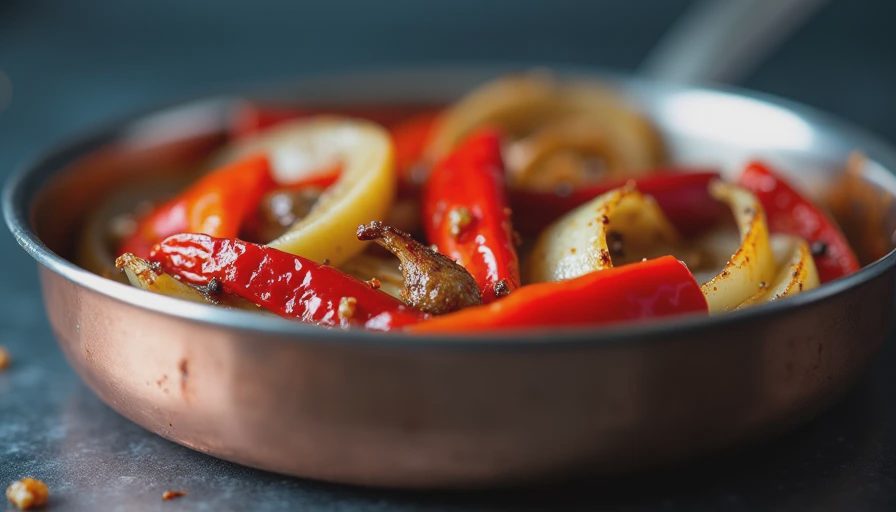
Roast for 20 minutes, then use a spatula to turn the vegetables. Roast for another 12 to 18 minutes. The edges should be browned, the onions should be tender, and the peppers should still have enough structure to pick up with a fork. For deeper color, broil for one to two minutes at the end, watching closely. Garlic can burn quickly, and burnt garlic tastes like a tiny kitchen disaster.
Why This Temperature Works
At 425 degrees, the peppers release moisture gradually while the onions develop caramelized edges. A lower oven, such as 350 degrees, will cook the vegetables, but it usually takes longer and produces less browning. A hotter oven can work, but the thin pepper edges may char before the onion centers soften.
The key is space. For oven roasted peppers and onions with browned edges, air must move around the pieces. If you double the recipe, use two pans and rotate them between oven racks halfway through. Do not cram two pounds of vegetables onto one pan and then blame the oven. I have done this. The oven was innocent.
If your vegetables look wet after the first 20 minutes, keep roasting rather than adding more oil. The moisture needs time to evaporate. If the edges are getting dark while the centers remain firm, reduce the heat to 400 degrees and continue for five minutes. Different pans conduct heat differently, so the visual cues matter more than pretending every oven behaves like mine.
Easy Ways to Serve Them
Spoon these vegetables over grilled chicken or baked salmon, or tuck them into toasted hoagie rolls with Italian sausage and provolone. They are also excellent beside scrambled eggs, especially when breakfast has quietly become dinner. For a quick grain bowl, combine them with cooked rice, canned chickpeas, feta, and a squeeze of lemon.
Oven roasted peppers and onions also make plain food taste planned. Add them to quesadillas with shredded Monterey Jack, layer them over a baked potato, or stir them into pasta with a splash of the pasta water. For a richer finish, toss the hot vegetables with a tablespoon of grated Parmesan. For a bright finish, use chopped parsley or a teaspoon of red wine vinegar.
Do not add fresh herbs before roasting if you want their flavor to stay noticeable. Parsley, basil, and cilantro can turn dark and lose their freshness in a hot oven. Add them during the last minute or after the pan comes out. A small finishing ingredient is usually better than five competing ones.
Make-Ahead, Storage, and Reheating
You can slice the peppers and onions up to one day ahead. Store them covered in the refrigerator, but keep the olive oil and seasonings separate until cooking. Cut vegetables release moisture as they sit, and wet vegetables brown less effectively. Bring the pan ingredients out while the oven heats, then season and roast.
Cooked oven roasted peppers and onions keep in an airtight container for up to four days in the refrigerator. Reheat them in a 400-degree oven for 8 to 10 minutes, or warm them in a skillet over medium heat. The skillet gives the edges a little life again. The microwave is fine for a rushed lunch, but it makes the vegetables softer and does not restore browning.
For freezing, cool the vegetables completely and store them in a freezer bag for up to three months. Thaw them overnight in the refrigerator and reheat in a skillet. The texture will be softer, so use the frozen batch in pasta, soup, omelets, or sandwiches rather than expecting fresh-roasted crispness.
Flavor Changes for Different Dinners
For fajitas, replace the Italian seasoning with one teaspoon chili powder, half a teaspoon ground cumin, and a squeeze of lime after roasting. For a Mediterranean plate, skip the red pepper flakes and finish the vegetables with lemon juice, oregano, and crumbled feta. For sausage and peppers, add sliced mushrooms during the last 15 minutes so they do not disappear completely.
You can add zucchini, but slice it thicker than the peppers because it softens quickly. Cherry tomatoes should go in during the last 15 minutes, while broccoli florets need to be small and dry before they join the pan. Carrots take longer, so start them 10 minutes before adding the peppers and onions.
I prefer to keep the basic version simple because it can match almost anything. Oven roasted peppers and onions should taste sweet, savory, and lightly smoky, not like a spice cabinet fell onto the sheet pan. Salt at the beginning, taste at the end, and add acid only when the dish needs lifting.
Common Mistakes to Avoid
The first mistake is cutting the vegetables too thin. Thin strips can burn before the onions become tender. Aim for pieces wide enough to handle 30 to 40 minutes of heat. The second mistake is skipping the preheat. A cold oven slowly warms the pan and encourages steaming.
The third mistake is using too much oil. Three tablespoons are enough for a full sheet pan. Extra oil does not create extra flavor; it leaves the vegetables greasy and makes the pan harder to clean. Finally, do not judge the dish straight from the oven. Let it rest for five minutes, then taste for salt and brightness.
Oven roasted peppers and onions are ready when the onions bend easily, the peppers have browned edges, and the pan no longer has a puddle of liquid. Serve them hot, warm, or at room temperature. They will disappear either way, usually right before the person who said they was not hungry asks for more.
Kitchen tip: Put the sheet pan in the dishwasher while it is still warm, because children will not volunteer to scrub it.