Hello everyone, I'm Cathy.
I used to believe the words on egg cartons meant something precise. Then I spent five years in food supply-chain procurement and learned that “pasture-raised” is one of those phrases that sounds clear until you ask what it actually requires. Last month I drove to a chicken farm in Temecula that sells under that label and spent a morning walking the fields instead of reading the marketing.
What the Label Promises
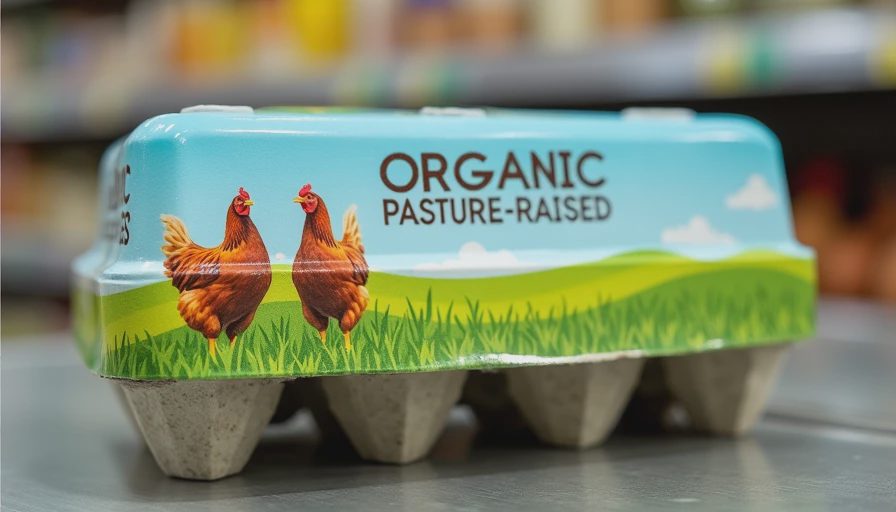
Most cartons show hens standing in bright green grass under open sky. The language suggests continuous outdoor access, room to forage, and a life that looks nothing like confinement. Shoppers pay a premium for that image. The problem is that the term itself is only loosely defined. There is no single federal standard that locks down exact outdoor hours, stocking density, or what “access” must look like on a rainy week.
What I Actually Saw
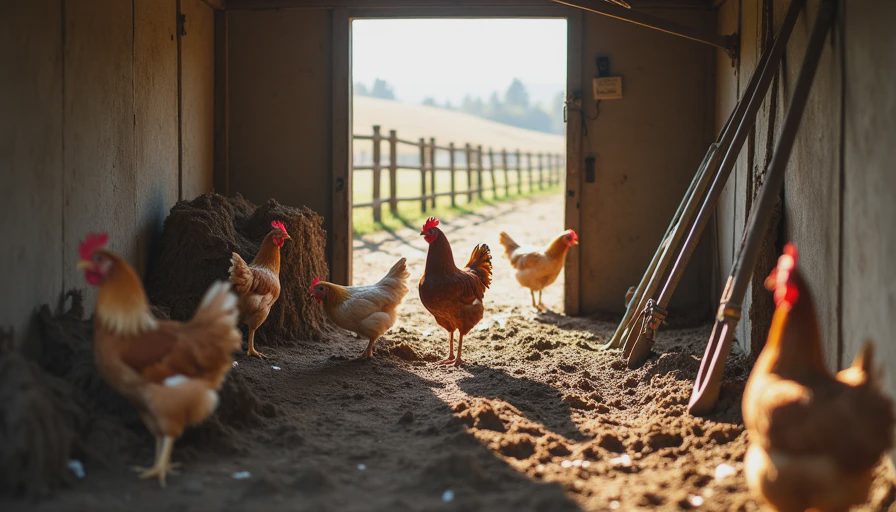
The birds were outside. That part checked out. They had dirt to scratch, grass in varying conditions, and mobile coops that the farmer moved on a regular rotation so the flock wasn’t standing in the same ground for weeks. He showed me the schedule and the records. The operation was more organized than I expected.
It was also less polished than the photos. There were muddy patches. Some hens stayed close to the coop. The pasture wasn’t a continuous carpet of perfect green. Real droppings, real variation in how much time individual birds spent foraging versus loitering near the feed. None of that is a scandal. It’s simply what a working flock looks like on an ordinary morning instead of a photo-shoot day.
The Gap Between Word and Practice
Standing in the field makes the difference obvious. Some producers treat pasture-raised as a genuine management system with measurable outdoor time and rotation. Others treat it as a premium word that can stretch. Density, weather contingencies, and actual hours outside rarely appear on the carton. The price difference is clear. The living conditions behind the price are harder to verify from the dairy aisle.
What I Do With the Information
I still buy the more expensive eggs from places that can answer basic questions about rotation and outdoor time without switching into brand language. I do it because I spent enough years reading supplier paperwork to prefer the ones that can show receipts. I don’t do it because I believe every carton claim automatically equals better everything. For a household that goes through two dozen eggs a week, the practical test is simple: is the extra money buying a measurable difference in how the animals are raised, or just better packaging?
The farmer offered me a dozen to take home. Lucas asked if the chickens had names. They did not. Some things stay consistent no matter how good the label looks.